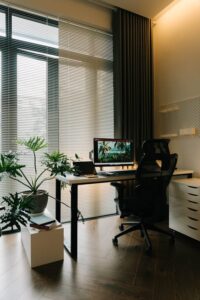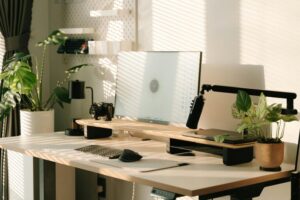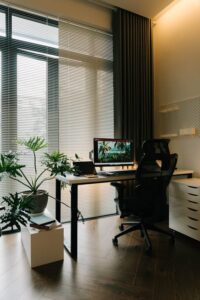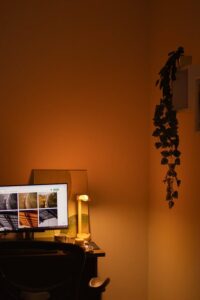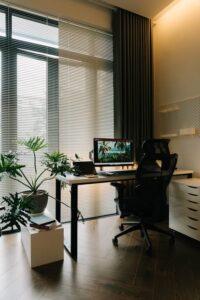
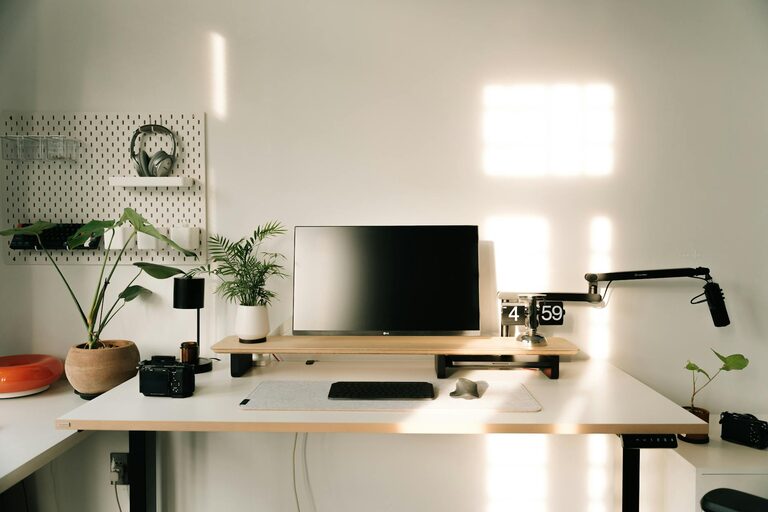
Creating a relaxing home office environment is essential for maintaining productivity, creativity, and well-being while working from home. A calm, organized space can reduce stress and help you focus on your tasks more effectively. Whether you have a dedicated room or a small corner in your living space, these tips will help you design a home office that feels inviting and serene.
Choose the Right Location
Selecting the best spot for your home office is the first step toward creating a relaxing workspace.
– Natural Light: Try to set up your office near a window to take advantage of natural light. Sunlight boosts mood and energy, making the workday more pleasant.
– Quiet Area: Find a part of your home with minimal noise and distractions. Avoid high-traffic zones like the kitchen or living room if possible.
– Space Considerations: Make sure your chosen space has enough room for your desk, chair, and any equipment you need, without feeling cramped.
Invest in Comfortable Furniture
Comfort is key in maintaining focus and reducing physical strain throughout the day.
– Ergonomic Chair: Choose a chair with good lumbar support and adjustable height. Sitting comfortably prevents aches and promotes better posture.
– Desk Height: Ensure your desk is the right height for you to work with relaxed shoulders and elbows at a 90-degree angle.
– Flexible Setup: Consider adding a standing desk or an adjustable desk converter for alternating between sitting and standing.
Declutter and Organize Your Space
A tidy workspace can help clear your mind and improve efficiency.
– Minimal Items: Keep only essential items on your desk to reduce visual clutter. Store supplies in drawers or organizers.
– Cable Management: Use clips or cable sleeves to keep cords neat and out of sight.
– Daily Clean-Up: Spend a few minutes at the end of each day tidying your desk and organizing paperwork.
Use Calming Colors and Decor
The colors and decor you choose influence your mood and concentration.
– Soft, Neutral Colors: Shades like light blue, green, and beige are soothing and can create a relaxed atmosphere.
– Personal Touches: Add a few meaningful items, such as photos or artwork, but avoid overcrowding your space.
– Plants: Incorporate indoor plants for a natural feel. Plants can improve air quality and have calming effects.
Control Lighting and Reduce Eye Strain
Proper lighting protects your eyes and enhances comfort during work hours.
– Balanced Lighting: Combine natural light with task lighting like a desk lamp to avoid harsh shadows.
– Adjustable Lamps: Use lamps with adjustable brightness or color temperature to suit different times of day.
– Screen Position: Place your computer screen to reduce glare and prevent neck strain.
Manage Noise for Better Focus
Sound can either help or hinder your ability to concentrate.
– Noise-Cancelling Headphones: Use these if you work in a noisy environment.
– Background Sounds: Some people find soft music or white noise helpful. Choose whatever suits your preference.
– Soundproofing: If possible, use rugs, curtains, or wall panels to absorb excess noise.
Take Regular Breaks and Move
A relaxing office environment also means encouraging healthy work habits.
– Break Schedule: Set a timer to remind yourself to stand up and stretch every hour.
– Movement: Incorporate simple exercises or short walks to reduce tension and boost creativity.
– Relaxation Zone: If space allows, create a small area to take brief mental breaks with a comfortable chair or meditation cushion.
Keep Technology Simple and Efficient
Having the right tools can reduce frustration and improve workflow.
– Reliable Equipment: Use devices that are easy to operate and maintain.
– Wireless Options: Wireless keyboards, mice, and printers minimize cable clutter.
– Backup Plans: Install apps or tools for quick access and automatic file backups to prevent stress over lost work.
Maintain Good Air Quality and Temperature
Comfort is not only about furniture and decor but also about physical well-being.
– Ventilation: Open a window regularly or use a fan to keep the air fresh.
– Air Purifiers: Consider using an air purifier if your space is small or prone to dust.
– Temperature Control: Keep your workspace at a comfortable temperature, ideally between 68–72°F (20–22°C).
Final Thoughts
Designing a relaxing home office environment is about creating a space that supports your work style and wellness. By choosing a quiet, well-lit location, investing in comfortable furniture, minimizing clutter, and paying attention to lighting and noise, you can build a sanctuary that helps you stay calm and productive throughout the day. Remember, small changes can make a big difference in your work experience at home.