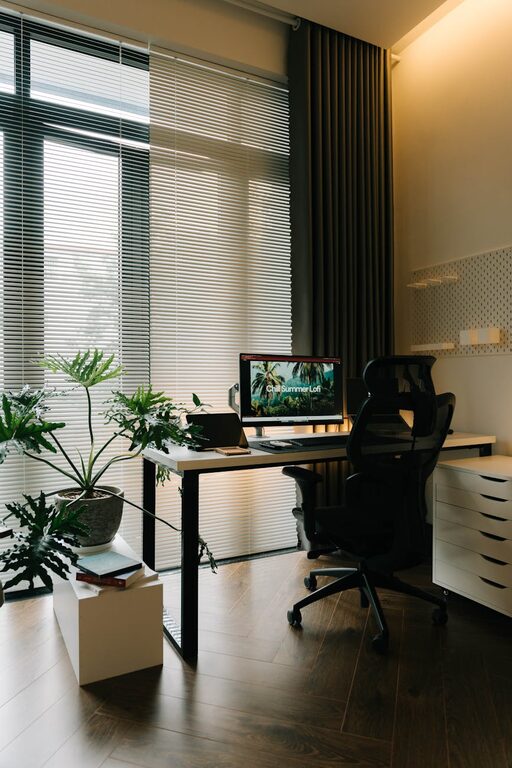
Creating a home workspace that is both cozy and productive can significantly enhance your work-from-home experience. When your workspace meets your comfort needs while promoting focus, it becomes easier to stay motivated and efficient throughout the day. Whether you have a dedicated room or a small corner, thoughtful design and organization can transform your environment. Here are some helpful tips to get started.
Choose the Right Location
Selecting the ideal spot for your home workspace is the foundation. Consider the following:
– Natural light: Position your desk near a window to take advantage of natural daylight. This not only reduces eye strain but also boosts mood and energy.
– Minimal distractions: Aim for a quiet area, preferably away from high-traffic zones or noisy appliances.
– Space to move: Ensure you have enough room to stretch and adjust your posture comfortably.
Even if space is limited, carving out a corner with clear boundaries for work can help mentally separate your professional tasks from home life.
Invest in Comfortable and Functional Furniture
Your furniture affects both productivity and wellbeing. Here’s what to keep in mind:
– Ergonomic chair: Choose a chair that supports your back and encourages good posture. Adjustable height and lumbar support are big pluses.
– Appropriate desk: The desk should be the right height for your chair and allow enough surface space for your computer, materials, and other essentials.
– Additional seating: If space allows, having a relaxing chair or cushion nearby can provide a place to take mental breaks.
Comfort reduces fatigue, so don’t underestimate the value of quality furniture.
Optimize Lighting
Good lighting improves focus and reduces strain.
– Natural light first: Use curtains or blinds to control glare without blocking daylight.
– Task lighting: A desk lamp with adjustable brightness can help during late hours or overcast days.
– Ambient lighting: Soft lighting around the workspace can create a warm atmosphere without being harsh.
Combining various types of lighting ensures your workspace is well-lit and inviting.
Organize and Declutter
A tidy workspace promotes concentration.
– Use storage solutions: Shelves, drawers, or bins can keep supplies organized and off your desk.
– Declutter regularly: Set aside time weekly to clear unnecessary items.
– Cable management: Use clips or cable boxes to keep cords neat and prevent tangling.
Keeping your space clean reduces visual distractions and helps maintain a clear mindset.
Personalize Your Space
Adding your personal touch makes the workspace welcoming.
– Decorate thoughtfully: Incorporate a few items that inspire you, like artwork, plants, or meaningful objects.
– Use colors you like: Choose colors that calm or energize you, such as soft blues for focus or warm tones for comfort.
– Add greenery: Small plants improve air quality and can reduce stress.
A personalized environment encourages you to spend time at your desk and enjoy your work routine.
Establish a Routine
Your space works best when your habits support productivity.
– Set clear work hours: Define when your workday starts and ends to build structure.
– Take breaks: Regular short breaks help maintain energy and focus.
– Keep essentials handy: Have your most-used tools within arm’s reach to avoid interruptions.
Consistency helps turn your workspace into a productive zone.
Embrace Technology Wisely
Use technology to enhance your workflow but avoid clutter.
– Invest in good equipment: A reliable computer, monitor, keyboard, and mouse all contribute to comfort and efficiency.
– Use productivity apps: Tools for task management, calendar planning, and focus timers can optimize your day.
– Limit distractions: Turn off non-essential notifications during work periods.
Smartly chosen technology supports your work rather than distracting from it.
Pay Attention to Air Quality and Temperature
Comfort goes beyond visuals and ergonomics.
– Ventilation: Keep the room well-ventilated to stay fresh and alert.
– Temperature: Use a fan, heater, or thermostat settings to keep the room at a comfortable temperature.
– Humidity: Consider a humidifier if the air gets too dry.
Comfortable air conditions help sustain productivity and concentration.
Summary
Creating a cozy and productive home workspace requires a combination of thoughtful space selection, quality furniture, effective lighting, organization, personal touches, routines, appropriate technology, and comfort considerations. With these tips, you’ll be well on your way to designing a workspace that supports your wellbeing and work goals every day. Your ideal home office is a balance of function and comfort—tailored to your unique needs.