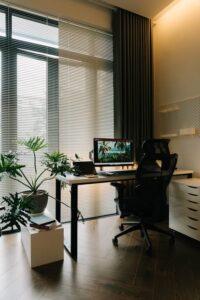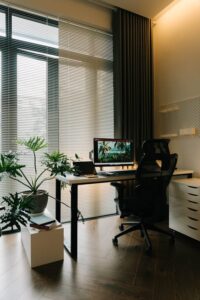
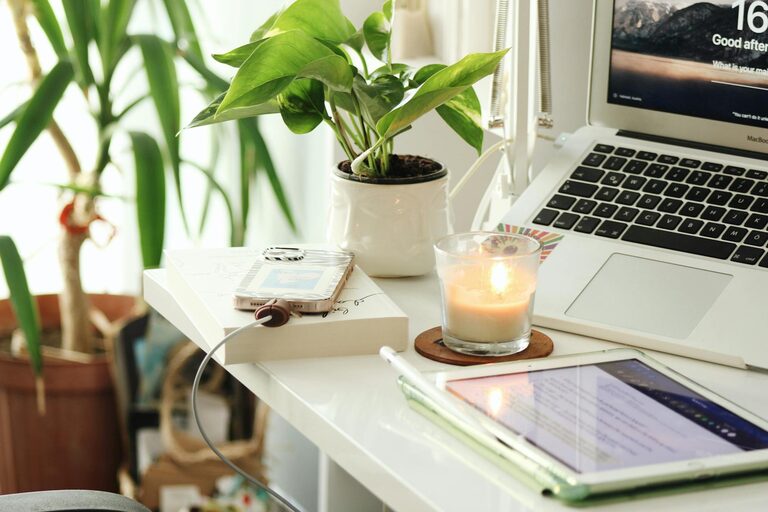
Creating a cozy and productive home workspace is essential for anyone working or studying from home. A well-designed space can boost focus, reduce stress, and make your daily tasks more enjoyable. Whether you have a dedicated room or just a small corner, you can set up an area that feels inviting and helps you stay on track. In this post, we’ll share practical tips to help you create a workspace that balances comfort and efficiency.
Choose the Right Location
Choosing the right spot in your home is the first and most important step. Ideally, pick a place with plenty of natural light and minimal distractions. A quiet corner in your bedroom, spare room, or even a section of the living room can work well. Avoid high-traffic areas or places near noisy appliances to maintain concentration.
Consider Your Needs
Think about what you’ll be doing in your workspace. If you spend long hours at the computer, make sure there’s enough space for your screen, keyboard, and other tools. If you’ll be sketching or writing by hand, a larger desk surface might be necessary.
Invest in Comfortable Furniture
Comfort is key in any workspace. Uncomfortable chairs or desks can lead to poor posture and discomfort, affecting your productivity.
– Ergonomic chair: Choose a chair with good lumbar support and adjustable height. This helps reduce back and neck strain.
– Desk at the right height: Your desk should allow your arms to rest at a 90-degree angle when typing.
– Footrest: If your feet don’t touch the floor comfortably, use a footrest to reduce pressure on your legs.
Enhance Lighting
Good lighting affects both your mood and how well you can work. Natural light is best because it reduces eye strain and improves alertness. Position your desk near a window, but avoid glare on your screen.
If natural light is limited, invest in quality artificial lighting:
– Desk lamp: A lamp with adjustable brightness and direction helps focus light where you need it.
– Soft overhead lighting: Avoid harsh fluorescent bulbs. Soft white or warm-colored LED lights create a cozy atmosphere.
Keep Your Space Organized
An organized workspace can help clear your mind and improve focus. Use simple tools to stay tidy:
– Storage solutions: Use shelves, drawers, or baskets to store documents, supplies, and gadgets.
– Cable management: Keep cables neat with clips or covers to avoid tangles.
– Minimal clutter: Keep only essentials on your desk to maintain a clean, distraction-free area.
Personalize Your Workspace
Making your workspace feel welcoming and personal can boost your mood and motivation.
– Plants: Adding greenery can improve air quality and create a calming environment.
– Artwork or photos: Display inspiring images or pictures that make you happy.
– Decor accents: Choose soft textiles like cushions or rugs to add warmth.
Incorporate Productivity Tools
Having the right tools can make your workflow more efficient.
– Planner or calendar: Use a physical planner or digital tool to track tasks and deadlines.
– Noise-cancelling headphones: These can help block distractions if your home is busy.
– Whiteboard or corkboard: Use these to jot down ideas, notes, or reminders.
Establish a Routine and Boundaries
Even the best workspace won’t help if you don’t set routines and boundaries.
– Set working hours: Decide when you start and finish work to maintain balance.
– Take breaks: Short breaks help reduce fatigue and keep you focused.
– Separate work and relaxation: Try to avoid using your workspace for leisure activities.
Final Thoughts
Creating a cozy and productive home workspace doesn’t require a large budget or a dedicated room. With smart choices about location, furniture, lighting, and organization, you can craft a space that supports your needs and feelings. Personal touches and clear routines complete the picture, helping you stay motivated and comfortable throughout your workday. Start small, adjust as needed, and enjoy the benefits of your thoughtfully designed home workspace.