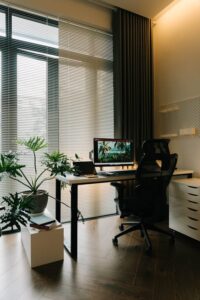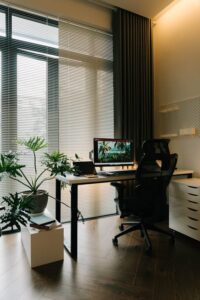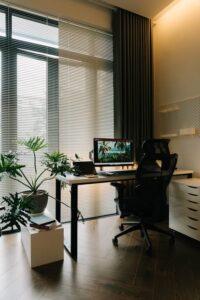
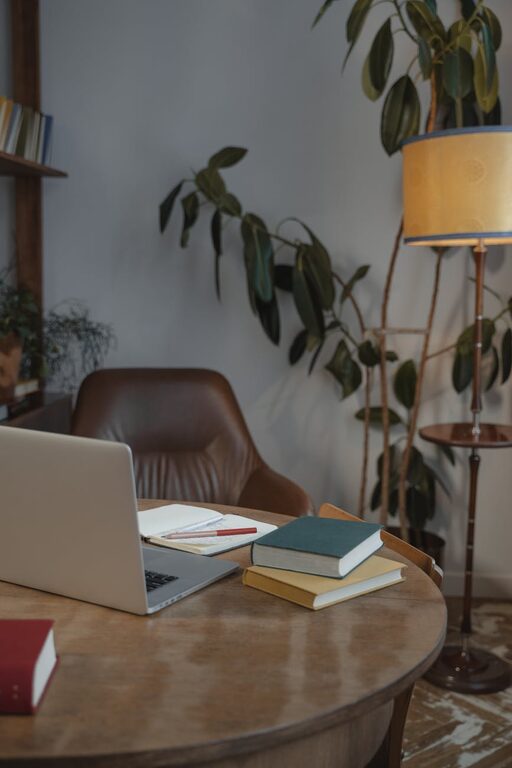
Creating a home office that is both cozy and functional can significantly improve your work-from-home experience. Whether you have a dedicated room or just a small corner, thoughtful design and organization can transform your space into a productive yet comfortable environment. Here are some practical tips to help you create a home office that meets your needs and feels inviting.
Choose the Right Location
The first step is selecting the best spot in your home for your office. Ideally, it should be quiet and free from distractions.
– Consider natural light: Work near a window if possible to benefit from natural light, which can boost mood and focus.
– Check for privacy: A location away from high-traffic areas can reduce interruptions.
– Think about space: Make sure there is enough room for your desk, chair, and any equipment you need.
Invest in Comfortable Furniture
Your furniture plays a key role in both comfort and functionality.
Desk
Choose a desk with enough surface area to hold your computer, documents, and supplies.
– Adjustable desks are a great option if you want to alternate between sitting and standing.
– Look for desks with built-in storage if space is limited.
Chair
A supportive chair is crucial for maintaining good posture during long work hours.
– Opt for ergonomic chairs with adjustable height and lumbar support.
– Add a cushion or lumbar pillow for extra comfort.
Organize Your Space Effectively
A clutter-free space enhances productivity and reduces stress.
– Use shelves and storage bins: Keep books, files, and office supplies neatly organized.
– Desk organizers: Pen holders, trays, and cable management tools help keep your desk tidy.
– Label items: Clear labeling can save time when searching for materials.
Personalize Your Workspace
Adding personal touches makes your workspace more inviting.
– Decorate with plants: Indoor plants improve air quality and add a calming element.
– Display inspirational items: Photos, artwork, or motivational quotes can inspire creativity.
– Choose a calming color scheme: Soft blues, greens, or neutral shades promote relaxation.
Optimize Lighting
Good lighting reduces eye strain and improves focus.
– Combine natural and artificial lighting: Use a desk lamp with adjustable brightness to supplement daylight.
– Avoid glare: Position your screen perpendicular to windows and use blinds or curtains to control sunlight.
Incorporate Technology Thoughtfully
Make sure your technology setup supports your work efficiently.
– Invest in a reliable internet connection and any needed peripherals such as a printer or scanner.
– Use wireless devices when possible to reduce cords and clutter.
– Consider noise-canceling headphones if you work in a noisy environment.
Maintain Work-Life Balance
Creating boundaries within your home office is essential to separate work from relaxation.
– Set specific work hours and stick to them.
– Close the door or use a room divider to create a physical boundary.
– Keep work supplies organized so you can easily “close up shop” at the end of the day.
Add Comfort Features
Small comforts can make your home office a place you look forward to working in.
– Use a soft rug or floor mat to add warmth.
– Have a space for breaks, such as a cozy chair or small couch nearby.
– Keep a water bottle or coffee mug within reach.
Final Thoughts
Designing a home office that balances coziness and function doesn’t require a complete overhaul. By focusing on location, furniture, organization, lighting, and personal touches, you can create a workspace that supports your productivity and well-being. Remember that your home office should reflect your unique needs and style, making it a pleasant place to spend your workday.