Creating a relaxing home workspace is essential for maintaining focus, reducing stress, and enhancing productivity when working from home. Whether you spend a few hours or a full workday at your desk, a well-designed workspace can make a significant difference in your mood and efficiency. In this post, we’ll explore practical tips to help you craft a comfortable and calming environment right in your own home.
Why a Relaxing Workspace Matters
A dedicated area that promotes relaxation and productivity encourages better work habits. When your workspace feels inviting and organized, it’s easier to concentrate and complete tasks. On the other hand, a cluttered or uncomfortable space can lead to distractions, fatigue, and even burnout. Taking some time to design your home office with relaxation in mind is an investment in your wellbeing and professional success.
1. Choose the Right Spot
Consider Natural Light
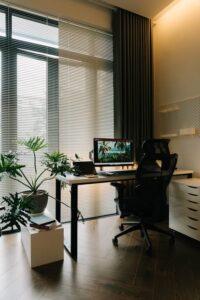
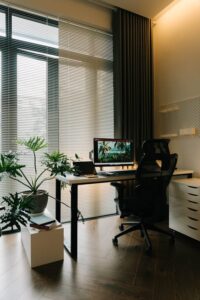
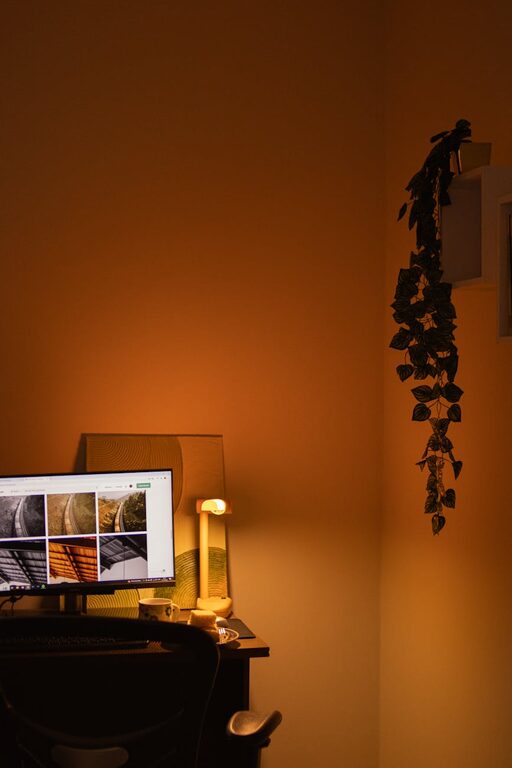
Whenever possible, position your workspace near a window. Natural light boosts mood and energy levels, making your workday more pleasant. If natural light is limited, opt for warm, adjustable lighting to reduce eye strain.
Find a Quiet Area
Pick a location with minimal noise and foot traffic. This helps reduce distractions and increases your ability to focus. If noise is unavoidable, consider noise-canceling headphones or white noise machines.
2. Invest in Comfortable Furniture
Ergonomic Chair and Desk
Choose a chair that supports good posture and allows you to sit comfortably for long periods. An adjustable desk can also help you switch between sitting and standing, which benefits your health and focus.
Add Cushions or Footrests
Small additions like seat cushions or footrests can enhance comfort and reduce fatigue, especially during extended work sessions.
3. Keep Your Workspace Organized
Declutter Regularly
Remove unnecessary items from your desk to create a neat and tidy environment. A clutter-free space helps clear your mind and keeps distractions at bay.
Use Storage Solutions
Incorporate shelves, drawers, or organizers to store supplies and documents neatly. Labeling containers can also save time when searching for items.
4. Personalize Thoughtfully
Add Greenery
Plants not only improve air quality but also add calming shades of green that can reduce stress. Choose low-maintenance varieties like succulents or spider plants if you’re new to indoor gardening.
Display Meaningful Items
Include a few personal or inspirational items, such as photos, artwork, or motivational quotes. These can boost your mood without overwhelming your workspace.
5. Optimize Technology Setup
Manage Cables
Organize cords to prevent tangled messes that look messy and create distractions. Cable clips and sleeves are easy tools for keeping cables tidy.
Use Quality Equipment
Invest in reliable devices like a good monitor, keyboard, and mouse to improve comfort and efficiency.
6. Incorporate Calming Elements
Choose Soothing Colors
Decorate your workspace with colors that promote relaxation, such as soft blues, greens, or neutrals. Avoid overly bright or flashy tones that can increase anxiety.
Include Aromatherapy
A diffuser with essential oils like lavender or eucalyptus can create a peaceful ambiance. Just be mindful of any sensitivities.
7. Establish Boundaries and Routine
Set Clear Work Hours
Define your working hours to create a routine and maintain work-life balance. This helps prevent burnout and ensures regular breaks.
Take Breaks in Your Space
Use your workspace for quick stretching, deep breathing, or meditation during breaks to recharge without leaving the calming environment you created.
Conclusion
Designing a relaxing home workspace is about blending comfort, functionality, and personal touches to suit your needs. By choosing the right location, investing in comfortable furniture, organizing effectively, and adding calming elements, you can transform any corner of your home into a productive and stress-free zone. Remember, your workspace should work for you—helping you focus, relax, and enjoy your workday.