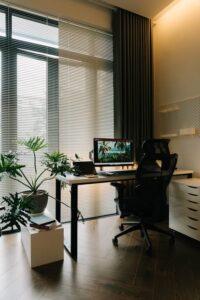
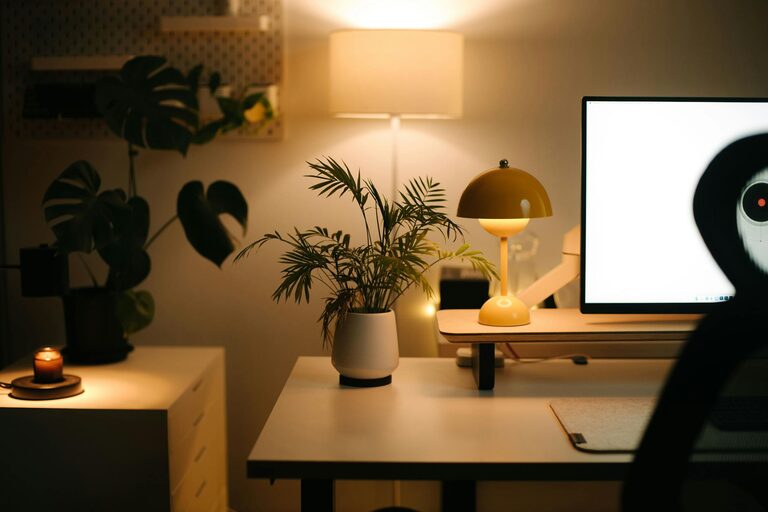
Working from home has become a common part of life for many people. Having a well-designed home office space can make a significant difference in your comfort and productivity. Whether you have a dedicated room or just a small corner, creating a cozy and efficient workspace is possible with a little planning and creativity. In this post, we’ll share practical tips to help you set up a home office that feels inviting and supports your work goals.
Choose the Right Location
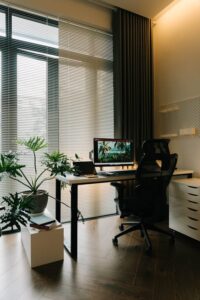
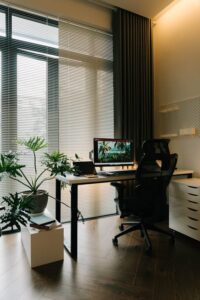
Finding the ideal spot for your home office is the first step. Consider areas in your home that are quiet and have good natural light.
– Minimize distractions: Select a space away from busy household areas to help you focus.
– Natural light: Position your desk near a window to benefit from daylight, which can improve mood and energy.
– Space considerations: Choose a place where you can comfortably fit your desk, chair, and any other essentials.
If space is limited, a corner of the living room or bedroom can still work with the right setup.
Invest in Comfortable Seating and Desk
Comfort is key when spending long hours working. A supportive chair and suitable desk can prevent discomfort and keep you focused.
– Ergonomic chair: Look for a chair that supports your lower back and encourages good posture. Adjustable height and armrests add flexibility.
– Right desk height: Your desk should allow your arms to rest comfortably at a 90-degree angle while typing.
– Desk size: Choose a desk with enough surface area to hold your computer, notebook, and other tools without feeling cramped.
Organize with Practical Storage Solutions
Keeping your workspace tidy reduces stress and helps you find things easily.
– Use shelves and drawers: Storage units can keep documents, office supplies, and gadgets organized.
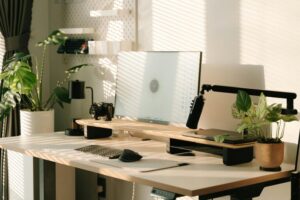
– Desk organizers: Consider trays, pen holders, and cable management tools to keep your desktop clutter-free.
– Label items: Clear labels make it easier to locate files and supplies quickly.
Personalize Your Space
Adding personal touches makes your office feel welcoming and boosts motivation.
– Decorate with plants: Greenery improves air quality and creates a calming atmosphere.
– Choose inspiring artwork: Hang pictures or prints that make you happy or motivated.
– Use colors wisely: Soft, neutral tones promote calmness, while pops of color can energize the space.
Optimize Lighting
Proper lighting reduces eye strain and helps maintain focus.
– Natural light: Maximize daylight but avoid direct glare on your computer screen.
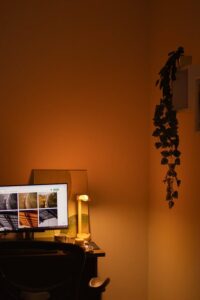
– Task lighting: A desk lamp with adjustable brightness allows you to focus light where you need it.
– Ambient lighting: Soft overhead lights create a comfortable environment without harsh shadows.
Minimize Noise Distractions
Noise can disrupt concentration, so consider ways to reduce it.
– Soundproofing: Use rugs, curtains, or acoustic panels to absorb sounds.
– Headphones: Noise-canceling headphones can block background noise during focused work.
– White noise: A fan or white noise machine can help mask distracting sounds.
Manage Technology Efficiently
An efficient technology setup supports seamless work.
– Reliable internet: Ensure your Wi-Fi connection is strong and stable in your office area.
– Cable management: Use clips or sleeves to keep cords organized and prevent tangling.
– Charging station: Designate a spot for charging devices to keep them powered without clutter.
Establish Routines and Boundaries
Setting clear work habits improves productivity, especially when your home office overlaps with daily living spaces.
– Define work hours: Stick to specific start and end times to maintain balance.
– Take breaks: Regular short breaks help reduce fatigue and stay refreshed.
– Separate work and personal life: When possible, leave your workspace at the end of your day to mentally switch off.
—
Creating a cozy and productive home office doesn’t require a big budget or lots of space. By choosing the right location, investing in comfort, staying organized, and personalizing your environment, you can make your home office a place where you enjoy spending time and accomplish your tasks effectively. Start with small changes and adjust as you discover what works best for you. Happy decorating and productive working!